
Scrap Metal Safety Tips: A Practical Guide
Scrap metals come from residential and industrial sources in various shapes, sizes, and weights. Manufacturing and fabrication industries provide the largest share, as they use metal for their products. In earlier years, industries often discarded scrap metal. Today, laws prohibit this. Instead, companies must reuse scrap metal to protect the environment.
However, handling scrap metal can be dangerous. Some scrap contains hazardous chemical or biological materials. For instance, plutonium and uranium scraps from nuclear plants require special care to prevent radiation exposure.
Below are essential safety tips for everyone dealing with scrap metals.
1. Use the Right Equipment
Workers must always use proper equipment to handle scrap safely. For example:
-
Large tongs should separate iron scraps from dumping grounds.
-
Chemically insulated gloves are essential when handling lead or heavy metals.
Gloves and helmets are critical for scrap metal workers. Using correct safety equipment reduces risks and prevents long-term health problems caused by harmful chemicals or radiation exposure.
2. Supervise Loading and Unloading
Scrap metal companies should set clear procedures for loading and unloading materials. Skilled supervisors must oversee these processes to prevent injuries.
When handling radioactive scrap or harmful metals, supervisors guide workers on safe handling techniques. This reduces risks during transportation to the recycling site.
3. Implement Metal-Specific Collection Methods
Different metals require different collection methods:
-
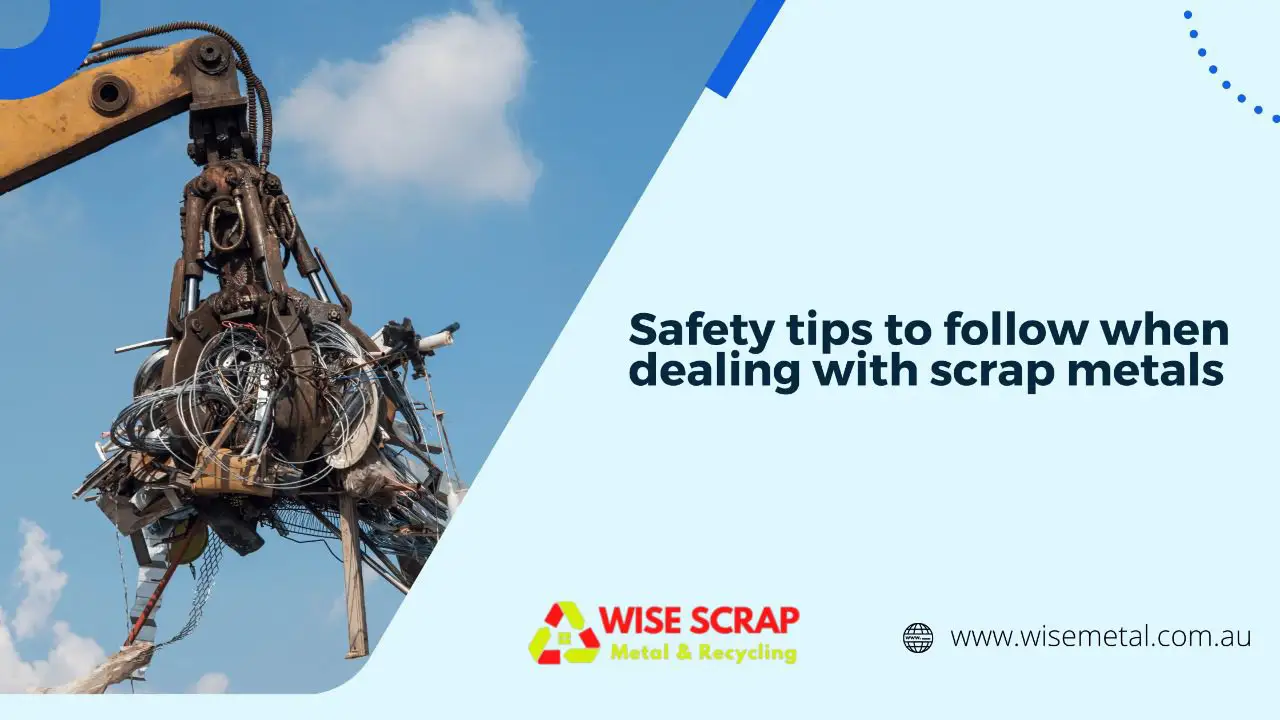
Iron and magnetic metals are collected using large cranes with magnets. This makes sorting fast and safe.
-
Hazardous metals like lead, barium, and radium need specialized collection processes to avoid human exposure.
Proper methods keep workers safe and maintain environmental protection standards.
4. Extra Precautions for Radioactive Metals
Collecting radioactive scrap requires strict safety measures to reduce radiation exposure. Precautions include:
-
Storing radioactive metals in lead-lined containers.
-
Wearing specially designed lead-lined suits.
-
Using full-face masks with no openings to prevent radiation entry.
These steps protect both workers and surrounding communities.
5. Risk Management with Lifting Machines
Industries must follow safety protocols when using cranes and other lifting machines:
-
Keep the work area spacious for safe machine movement.
-
Ensure operators hold proper licenses and certification.
-
Regularly inspect equipment to prevent accidents.
Proper risk management reduces workplace injuries and improves efficiency.
Conclusion
Following these safety tips ensures workers and communities remain safe while handling scrap metals. Proper equipment, clear procedures, metal-specific collection methods, extra precautions for radioactive scrap, and strong risk management make recycling safer and more efficient. Companies must prioritize these practices to protect their workers, the public, and the environment.
Follow us: Facebook , MapQuest