
How to Identify Brass Scrap Reservoir: A Complete Guide for Better Scrap Metal Value
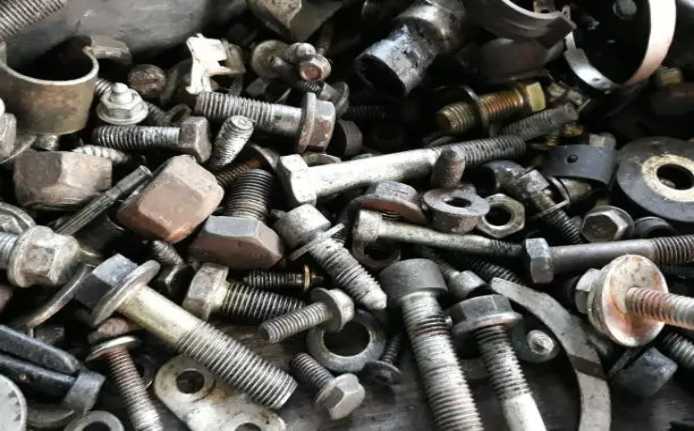
Brass is one of the most valuable scrap metals that homeowners, demolition contractors, and scrap collectors can recycle for a good return. Knowing how to identify brass correctly helps you separate it from other metals, maximize its scrap metal value, and ensure you receive a fair price when selling scrap metal. If you are searching for “How to Identify Brass Scrap Reservoir,” understanding the key characteristics of brass can make the recycling process much easier. This Complete Brass Recycling Guide explains practical ways to identify brass while helping you prepare it for brass scrap recycling in Reservoir.
Understanding What Brass Scrap Is
When learning how to identify brass scrap reservoirs, it is important to know what brass actually is. Brass is a non-ferrous alloy made primarily from copper and zinc. Unlike steel, it does not rust and is widely used because of its strength, corrosion resistance, and attractive golden appearance.
Brass is commonly found in plumbing fittings, valves, taps, door handles, decorative hardware, musical instruments, electrical components, and industrial machinery. As part of a comprehensive metal recycling guide, recognizing these common sources can help you collect more valuable recyclable materials.
Simple Ways to Identify Brass Scrap
The easiest method for how to identify a brass scrap reservoir is to examine the color. Most brass has a bright yellow or golden appearance, although older pieces may develop a darker patina over time. This natural color helps distinguish brass from aluminum, stainless steel, and many other different types of scrap metal.
Another reliable test involves using a magnet. Brass is a non-ferrous metal, meaning it will not attract a magnet. If a strong magnet sticks firmly to the item, it is likely made from steel or contains significant ferrous components.
Weight can also provide useful clues. Brass feels noticeably heavier than aluminum but lighter than pure copper. Comparing similar-sized items often makes the difference easier to recognize.
You may also notice stamped markings on fittings or valves that indicate brass composition or manufacturer information. These markings can assist with accurate identification before recycling.
Common Places to Find Brass Scrap
Many valuable brass items are hidden in residential, commercial, and demolition projects. Homeowners often discover brass in old plumbing fixtures, garden taps, locks, hinges, lighting fittings, and decorative hardware during renovations.
Demolition contractors regularly recover larger quantities from older buildings where brass pipes, valves, and fittings were widely installed. Scrap collectors frequently gather brass from machinery, automotive components, electrical equipment, and industrial waste before delivering it for brass recycling.
Identifying these sources improves the overall scrap metal value of collected materials while supporting environmentally responsible scrap metal recycling.
Separating Brass from Similar Metals
Many people confuse brass with bronze or copper. When researching how to identify brass scrap reservoirs, understanding these differences is essential.
Copper has a distinctive reddish-orange color, while brass appears more yellow due to its zinc content. Bronze usually has a darker brown appearance and is often used for bearings, sculptures, and heavy-duty industrial parts.
Separating brass carefully before recycling helps improve sorting efficiency and may contribute to achieving the best brass scrap value available based on current market conditions.
Preparing Brass Scrap for Recycling
Proper preparation increases recycling efficiency and simplifies collection. Remove non-metal attachments such as plastic, rubber, wood, or insulation wherever practical. Keeping brass separated from steel and other metals reduces contamination and supports more efficient brass scrap recycling.
Many recyclers also handle Reliable Scrap Battery Recycling, Affordable Aluminium Recycling, Expert Copper Scrap Recycling, Heavy Steel Recycling, and Ultimate Scrap Steel Pickup, making it easier to recycle multiple materials during a single collection. If larger quantities are generated from renovation or demolition work, a Best Steel Scrap Bin Service can help organize and transport mixed recyclable materials before they are sorted appropriately.
Why Brass Recycling Benefits the Environment
Choosing how to identify brass scrap reservoir is not only about increasing returns but also about reducing waste. Recycling brass conserves natural resources, lowers energy consumption compared with producing new metal, and reduces the amount of waste entering the landfill.
Professional recycling facilities process brass alongside many other scrap metals, recovering valuable materials that can be reused in manufacturing. Combining proper identification with free scrap metal pickup services also makes recycling more convenient for homeowners, contractors, and collectors throughout Reservoir.
Conclusion
Understanding how to identify brass scrap reservoirs allows you to recognize valuable brass items, separate them correctly from other metals, and improve your overall recycling results. By using simple identification methods such as checking color, testing with a magnet, and recognizing common brass products, you can make informed decisions when selling scrap metal. Whether you are renovating a home, managing a demolition project, or collecting recyclable materials, proper identification plays an important role in responsible scrap metal recycling.
If you have brass or other recyclable metals ready for collection, contact Wise Scrap Metal to arrange free scrap metal pickup and professional recycling assistance.
Phone: 0439 175 625
Email: wisemetalrecycling@gmail.com
Follow Us: Facebook, MapQuest, Google Business Profile, ENF Metal, Local Search, Superpages